What Is Live Resin? A Complete Guide
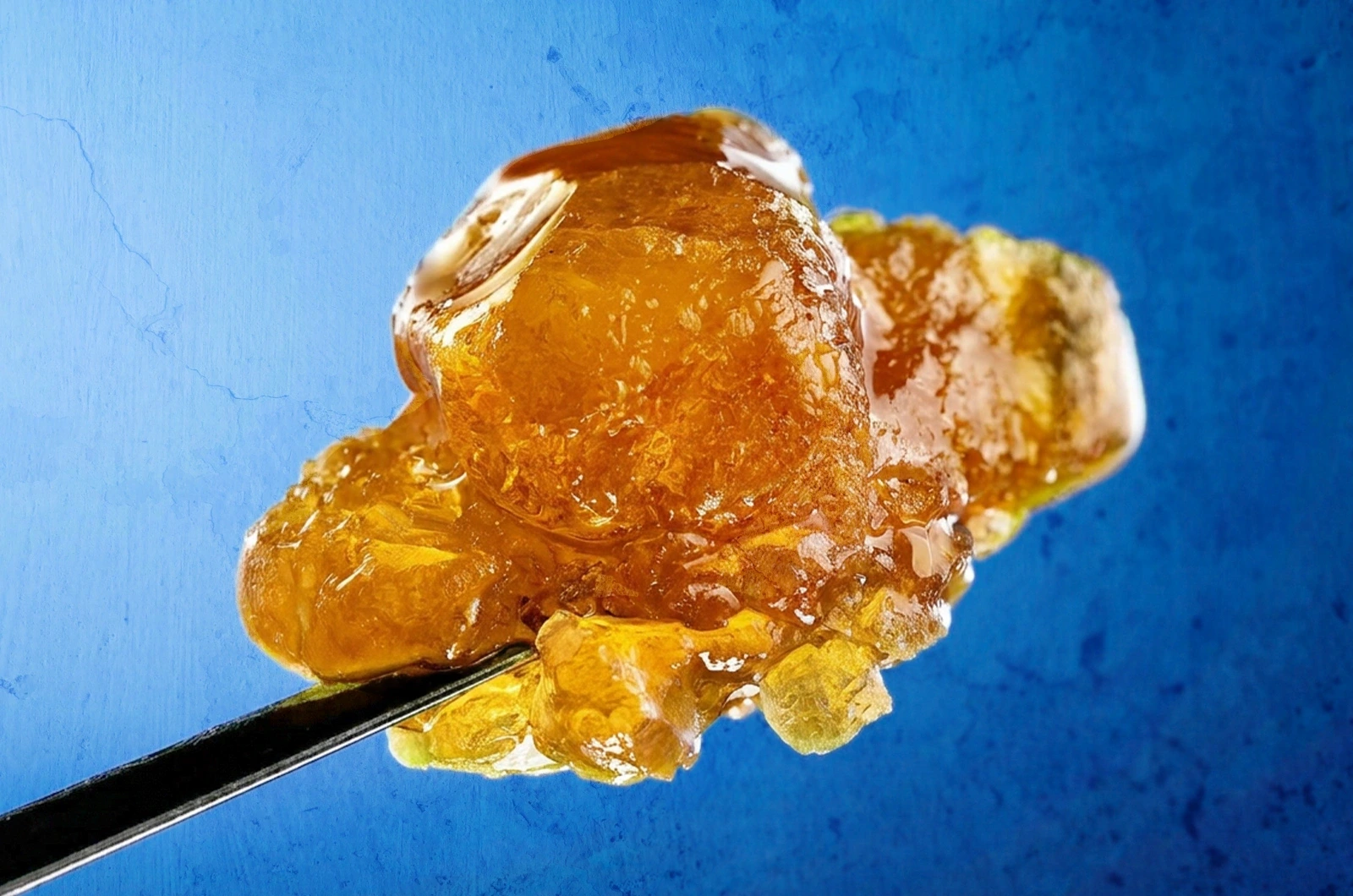
The Short Answer on Live Resin
Live resin is an extract made from cannabis that's frozen right at harvest and kept frozen until a licensed lab pulls the oil. The plant never dries out. That means more of its terpenes, the compounds behind the flavor, survive into the finished oil. Distillate is cheaper and more consistent in potency, but live resin wins on taste. At Catalyst, you'll find it in carts, All-in-Ones, pods, and dab jars. |
You've probably spotted live resin on a cart box or a dab jar, usually priced a few bucks above the cart next to it. Now you want to know what that extra money actually buys you.
Here's the deal. A good live resin cart tastes like actual weed, but not everything sold as live resin is made the same way.
We'll break down how it's made and how it compares with rosin and distillate. Then we'll cover prices on our menu and how to spot products that blend live resin with distillate.
Key Takeaways
Fresh-frozen is what makes it live. Skipping drying and curing keeps more of the plant's terpenes, where the flavor lives.
Sauce, badder, sugar, and diamonds are textures, and live resin can come in any of them. Cured resin and rosin come in the same textures. Check the product type and ingredients on the label to see whether you're buying live resin, cured resin, or rosin.
Live resin uses a solvent and rosin doesn't. Distillate is a third thing entirely, a refined THC oil that usually gets its flavor added back.
Check the ingredients list before you buy a live resin cart. That's where blends with distillate or added terpenes show up, since the biggest ingredient has to come first.
Expect to pay more than you would for distillate. Dab jars are the cheaper way in, and we sell them starting at $22 a gram.
Your next live resin pickup starts on our menu. Browse our live resin menu and order ahead for pickup at one of our California stores. Or swing by and let our budtenders match you with a flavor.
What Is Live Resin?
Live resin is a cannabis concentrate made from plants that are frozen right after harvest instead of being dried and cured. Licensed labs pull the oil from that frozen material with a solvent, usually butane or propane. Then they purge the solvent back out.
The word "live" points to that fresh plant. Most cannabis gets hung to dry and then cured for weeks before anyone extracts it, and it loses a lot of its terpenes along the way.
Terpenes give each strain its smell and taste, so losing them means losing flavor. Freezing the plant at harvest locks more of them in. That's why live resin tastes closer to the living plant than concentrates made from dried flower.
Live resin can end up in a vape cart or a dab jar. Either way, it's usually very potent. Check the THC concentration on the label to see how strong that specific product is.
How Is Live Resin Made?
Live resin goes through four stages before it reaches a shelf. The plant is frozen at harvest, washed with a cold solvent, purged, and then lab tested.
Don't try the extraction part at home. Butane and propane are highly flammable gases. In California, extracting with them is reserved for manufacturers holding a Type 7 license, the state's license for volatile solvent extraction.
1. Harvest and Flash-Freezing
Growers cut the plants at peak ripeness and freeze them right away, often whole, skipping the drying room entirely. This starting material is called fresh frozen.
Freezing protects the trichomes, the tiny resin glands on the flower where THC and terpenes are made. Kept frozen, those glands stay intact, and the lighter terpenes that would drift off during drying stay put until extraction.
2. Extraction
The frozen material goes into a closed-loop extractor, a sealed system that recycles its solvent. A solvent is simply a liquid that dissolves something else.
Here, a cold hydrocarbon like butane or propane washes through the plant and carries off the cannabinoids and terpenes, leaving most of the plant matter behind. When butane does the work, the result is called BHO, short for butane hash oil.
3. Purging
At this point the oil still holds some solvent, so extractors purge it with low heat and vacuum. That can take hours or days, and how they handle it decides whether the batch ends up as sauce, badder, sugar, or diamonds.
4. Lab Testing
Every finished batch then goes through state lab testing, because California won't let cannabis goods be sold until they pass. The panel checks for leftover solvents, plus pesticides, heavy metals, microbes, and mycotoxins.
Where Live Resin Came From
Live resin is a Colorado invention from around 2013. As High Times documented in 2015, credit usually goes to grower William "Kind Bill" Fenger and EmoTek Labs founder "Giddy Up." The two teamed up at an extraction facility in Colorado Springs.
Fenger had tried extracting fresh-frozen plants before, but the yields were small and the process was risky. After about a month of test runs on the new equipment, the pair pulled a clean batch from whole, flash-frozen plants. Fenger named it live resin.
Respect to the growers who figured it out. More than a decade later, live resin is one of the first things vape and dab regulars ask about at our counters. Is this cart live resin or distillate, and what are the terps?
Terpenes Are Why Live Resin Tastes Different
Live resin tastes different because it holds on to more terpenes. They belong to the same family of compounds that makes citrus peel smell like citrus and pine needles smell like pine. Cannabis makes them in its trichomes, right alongside THC.
Many terpenes are volatile, which means they evaporate easily. That's the problem with drying.
A 1996 study in the Journal of Natural Products found that one week of air-drying cut the volatile oil yield of cannabis buds from 0.29% to 0.20%. The lighter monoterpenes took the biggest hit.
Live resin dodges most of that loss because the plant is frozen before it ever dries. That's why it tends to carry more of the bright fruit and gas notes a strain is known for.
Here's what a few of the terpenes you'll see named on labels and menus smell like.
Terpene | What It Smells Like | Also Found In |
|---|---|---|
Myrcene | Earthy, musky, ripe fruit | Mango, hops, thyme |
Limonene | Citrus | Lemon and orange peel |
Beta-caryophyllene | Peppery, spicy | Black pepper, cloves |
Alpha-pinene | Fresh pine | Pine needles, rosemary |
Linalool | Floral | Lavender |
One caution before you shop by terpene. A strain name doesn't lock in a terpene profile, and two jars of the same strain from different growers can smell nothing alike. Trust your nose and the label over the name.
Types of Live Resin: Sauce, Badder, Sugar, and Diamonds
Live resin can take several forms. The texture depends on how the oil is handled after extraction, including whether THCA crystallizes.
THCA is the raw form of THC that the plant actually produces. Heat from a flame or a coil converts it into THC. That's why a crystal that does nothing in the jar is very potent once it's dabbed or vaped.
Live Resin Sauce
Sauce is the runniest form, a glossy, terpene-heavy liquid with crystals floating in it. If you've been searching live sauce vs. live resin, live sauce is simply live resin in its saucy form, and it's a favorite for people who dab for flavor.
Live Resin Badder
Badder, also called batter or budder, gets whipped during the purge until it looks like cake frosting. It holds its shape and scoops cleanly onto a dab tool, which makes it the easiest live resin texture to handle.
Live Resin Sugar
Sugar looks like wet, sparkly brown sugar. It forms when small THCA crystals start separating from the terpene-rich oil, and it's a little crumblier than badder, so a scoop-shaped tool works best.
Live Resin Diamonds
Diamonds are THCA crystals that extractors slowly grow out of the oil, then sell sitting in the sauce they formed in. The crystals bring the potency once heated, and the sauce carries most of the flavor. A good scoop gets a bit of both.
Texture is only half the choice. On the Catalyst menu, live resin also comes in four formats, and the right one depends on whether you vape, dab, or both.
510-thread cartridges in 1-gram sizes.
All-in-Ones, also called Ready-to-Use pens, for grab-and-go vaping.
Pods for brand-matched pod systems.
Dab jars of badder, sugar, sauce, or diamonds, usually sold by the gram.
Live Resin vs. Other Concentrates
Four other concentrates often get mixed up with live resin. The fastest way to tell them apart is to ask whether the plant was fresh frozen or dried, and whether a solvent was used.
Concentrate | How It's Made | Flavor | Common Formats |
Live resin | Fresh-frozen plants, hydrocarbon solvent | Bright, close to the living plant | Carts, All-in-Ones, pods, sauce, badder, sugar, diamonds |
Cured resin | Dried and cured plants, hydrocarbon solvent | Milder, closer to cured flower | Shatter, wax, badder, carts |
Live rosin | Fresh-frozen plants made into ice water hash, then pressed with heat. No solvent | Bright, close to the living plant | Jars, carts, All-in-Ones |
Rosin | Dried flower or hash pressed with heat. No solvent | Close to cured flower | Jars, carts |
Distillate | Extract refined into nearly pure THC oil | Little natural flavor unless terpenes are added | Carts, All-in-Ones, pods, edibles |
Live Resin vs. Cured Resin
Both use the same hydrocarbon extraction, so the difference is the plant. Cured resin starts with dried, cured flower, which loses some of its brightest terpenes before extraction. It usually tastes closer to a jar of cured buds.
Cured resin also tends to cost less. Dried material is easier to store and doesn't need a freezer between the farm and the lab. If you like the taste of well-cured flower and want to save a few bucks, it's a fair trade.
Live Resin vs. Rosin and Live Rosin
The difference here is the solvent. Live resin is extracted with butane or propane, while rosin is solventless, pressed out of flower or hash with nothing but heat and pressure.
Live rosin is the fresh-frozen version, usually pressed from ice water hash. That's trichomes knocked loose from frozen plants in ice-cold water, then dried and pressed.
Live rosin takes more starting material and more hands-on work, so it usually sits at the top of the price list. Live resin gets you much of that fresh flavor for less.
Compare both in our cannabis concentrates lineup.
Live Resin vs. Distillate
Distillate is an extract refined until it's nearly pure THC oil, with most of the natural terpenes stripped out along the way. Brands add flavor back with terpenes from cannabis or from other plants like fruit.
Distillate's strengths are consistency and price, and there's no shame in that. If your cart is mostly about potency per dollar, it does the job. If you want it to taste like the strain, put our live resin carts next to a distillate cart and taste the difference yourself.
Live Resin Vapes: Carts, Pods, and All-in-Ones
A live resin vape is a cart, pod, or All-in-One filled with live resin oil instead of distillate. It's the easiest way to taste what live resin is about, since you don't need a rig or a torch.
Cartridges. 510-thread carts screw onto a standard vape battery. Buy the battery once and you can swap strains and brands whenever you like.
All-in-Ones. The battery and oil come sealed in one device that you charge and use until it's empty.
Pods. Pods click into a battery made by the same brand, so they only work with that brand's device.
Here's the catch with vapes. A cart can say live resin on the front of the box and still have distillate blended in. The back of the box is where you find out.
California requires every manufactured cannabis product to list its ingredients in descending order by weight or volume.
If distillate appears first, it's the largest single ingredient in the oil. That tells you a lot about the blend, even though it doesn't necessarily mean distillate makes up more than half.
A few label terms cause more confusion at the counter than the rest.
"Live resin" on its own should mean the oil is live resin extract. The ingredients list shows whether anything else was blended in.
"Live resin terpenes" or "LRT" usually means distillate flavored with terpenes taken from live resin. It can taste great and cost less, but it's a different product.
"Liquid live resin" has no single meaning across brands. Some use it for live resin refined into a thinner oil and others for a blend, so the ingredients list is your best clue.
"Botanical terpenes" means the flavor came from plants other than cannabis.
How to Smoke Live Resin
You can vape live resin, dab it, or add it to flower, and the best choice mostly depends on the gear you already own. Whichever you pick, start small.
These are concentrated products, so take one hit, give it a few minutes to land, and go from there. And don't drive after.
Vaping
Vaping is the easiest place to start. Screw a cart onto a 510 battery or grab an All-in-One, then take slow, gentle draws.
If your battery has voltage settings, the lower ones run cooler and usually taste better. That matters with live resin, since flavor is the reason you paid for it.
Dab pens are the next step up. They heat a small scoop of sauce or badder in a tiny chamber, with no torch involved.
Dabbing
Dabbing means vaporizing a small amount of concentrate on a hot surface and inhaling it through a water pipe called a rig. A traditional rig uses a torch to heat a quartz banger, while an e-rig heats electronically with preset temperatures.
Lower temperatures keep more of the terpenes, so live resin fans tend to dab low. The basic routine is the same either way:
Heat the banger. Torch it until it's hot, or pick a low preset on your e-rig.
Let it cool. With a torch, give the banger a moment before you drop your dab. A cooler surface means more flavor and a smoother hit.
Load a small dab. Use a dab tool and grab less than you think you need.
Inhale slowly. Drop the dab on the banger, cover it with a carb cap if you use one, and pull gently.
Clean up while it's warm. A cotton swab wipes out leftover oil before it hardens.
Adding It to a Bowl or Joint
Topping a bowl is the simplest way to add live resin to flower. Pack your bowl, then lay a small amount of sauce or badder, or a crushed diamond or two, on top before you light it.
For a joint, smear a thin line of badder along the paper before rolling. People call that twaxing. Either way, it adds a lot of potency to plain flower, so go light the first time.
How Much Does Live Resin Cost?
We sell 1-gram live resin carts for between $41 and $49, and 1-gram live resin dabs for between $22 and $41. Every price on our menu includes all taxes.
Format | Price With Tax | Brands on the Menu |
Live resin carts, 1g | $41 to $49 | |
Live resin All-in-Ones, 1g | $35 to $51 | Made, Cake, Turn, Claybourne, Raw Garden |
Live resin dabs, 1g | $22 to $41 | West Coast Cure, Raw Garden, Coldfire |
Live rosin badder, 1g | $45 to $53 |
Menus and prices vary by store. Pick your location on the menu to see what's on your nearest shelf.
Why the premium over distillate? The plant has to be frozen at harvest and kept frozen until extraction, and the whole process is built around keeping terpenes intact. Dabs usually cost less per gram than carts because you aren't paying for hardware.
Deals bring those numbers down, so catch the daily hookups before you shop. Join Catalyst Rewards and you'll earn 2 points for every $1 you spend.
How to Choose Live Resin at a Dispensary
Choose live resin the way our budtenders do. Buy from a licensed store, read the back of the package, and then let your taste and your budget make the call.
Licensed dispensaries can only sell batches that passed California's required testing. That matters with concentrates, since some unwanted residues, including pesticides, can carry over into the extracted oil.
Once you're holding a package, these are the parts of the label worth reading.
Label Field | What It Tells You |
Product type | Live resin means fresh-frozen plants and a solvent. Live rosin means fresh frozen and solventless. Cured resin means dried plants. |
Extraction method | Hydrocarbon or BHO points to a solvent extraction. Solventless points to rosin. |
Ingredients | Every ingredient, biggest first. Any distillate on the list means you're looking at a blend. |
THC content | Shows how much THC the package contains. Compare THC concentration to gauge potency, and start with a small amount. |
Terpene content | Not every brand lists it. A higher number means more terpenes by concentration, but flavor also depends on which terpenes are in the blend. |
Packaging date | Printed as PKG with a date. A fresher package has had less time to lose terpenes. |
Batch number and UID | Ties the product to its lab results and to the state's track-and-trace system. |
Cat 4 sticker | The brand opted into our own pesticide screening, and the product passed. |
Now, about that Cat 4 sticker. State testing covers 66 pesticides. We built Cat 4 after it became clear some bad actors were using pesticides that California labs didn't routinely test for. It's a pesticide screen we run ourselves, on top of the state's.
Brands opt in, and the results decide who gets shelf space at Catalyst. We've pulled brands that didn't measure up, even big sellers. No test can promise any cannabis product is risk-free, but we'd rather run toward the problem than pretend it isn't there.
Then talk to your budtender, since our stores are staffed by actual smokers. Tell them the flavors you like and the device you're using, and they'll help you narrow down the jars or carts worth trying.
Already know what you want? Find a Catalyst near you in California and order ahead for in-store pickup.
How to Store Live Resin
Keep live resin sealed and somewhere cool and dark. Air and heat wear down terpenes fastest, and sunlight doesn't help either.
Keep jars closed. Put the lid back on right after each dab, and keep dabs in their original glass or silicone container.
Pick a cool, dark spot. A drawer or cabinet away from windows and stoves works, and a hot car is the worst place to leave it.
Store carts upright. Keeping a cart or All-in-One mouthpiece up holds the oil on the wick, which helps prevent clogs and leaks.
Lock it away. Keep all cannabis out of reach of kids and pets.
Some live resin changes texture as it sits. Sauce can start to sugar up and badder can turn a little wetter, which is normal. When you open that jar a month from now, it should still smell like the strain if it's been sealed and kept cool.
Find Live Resin at a Catalyst Near You
Our California stores carry live resin carts, All-in-Ones, and dab jars from brands like Raw Garden and Coldfire, and there's no tax surprise at checkout. A Cat 4 sticker means the product cleared the extra pesticide testing we run.
Shop live resin online for in-store pickup, or stop by and let our team help you find your next favorite.
If you're in California, pull up your nearest Catalyst for hours and directions. Then come through and tell the Catalyst family what you're into. Fire weed at fire prices, and Weed for the People.
Live Resin FAQs
Is Live Resin Stronger Than Flower?
Yes, in most cases. As a concentrate, a gram of live resin holds far more THC than a gram of flower, though the exact amount varies by product.
Check the THC content on the label and start with a small hit or dab. Wait to feel it before you take more, especially if you usually smoke flower.
Is Live Resin Better Than Distillate?
For flavor, yes. Live resin keeps the strain's own terpenes, and distillate relies on terpenes added back after refining.
On price, distillate usually comes out ahead, so the better pick depends on whether taste or budget matters more to you.
Is Live Resin the Same as Rosin?
No. Rosin is made without any solvent, using only heat and pressure, while live resin is extracted with hydrocarbons.
The closest cousin is live rosin, which also starts with fresh-frozen plants and tends to be the priciest jar on the shelf.
What Is a Live Resin Cart?
A live resin cart is a vape cartridge filled with oil extracted from fresh-frozen cannabis, and most fit a standard 510-thread battery.
Flip the package over before you buy. Any distillate or added terpenes will show up in the ingredients, and if the extraction method still isn't clear, ask your budtender.
Why Is Live Resin More Expensive?
Mostly because of the cold chain. Fresh-frozen material has to stay frozen until it's extracted. The whole process is also tuned to save terpenes that distillate refining strips out anyway.
If price is the sticking point, dab jars stretch your money further than carts, and our daily deals bring prices down even more.
How Long Does Live Resin Last?
Live resin holds up well when it's sealed and kept cool, but its flavor fades over time as terpenes evaporate, and its texture can shift.
When you shop, the PKG date on the label is your freshness check. At home, keep it away from heat and light.
Is Live Resin Legal in California?
Yes. Adults 21 and older with a valid photo ID can buy live resin at licensed California dispensaries. The daily limit is 8 grams of concentrate, including the oil in carts and All-in-Ones.
Our guide to buying weed legally covers the rest of the rules.