Elliot Lewis: 5 Things I Wish I Knew Before Leading a Business
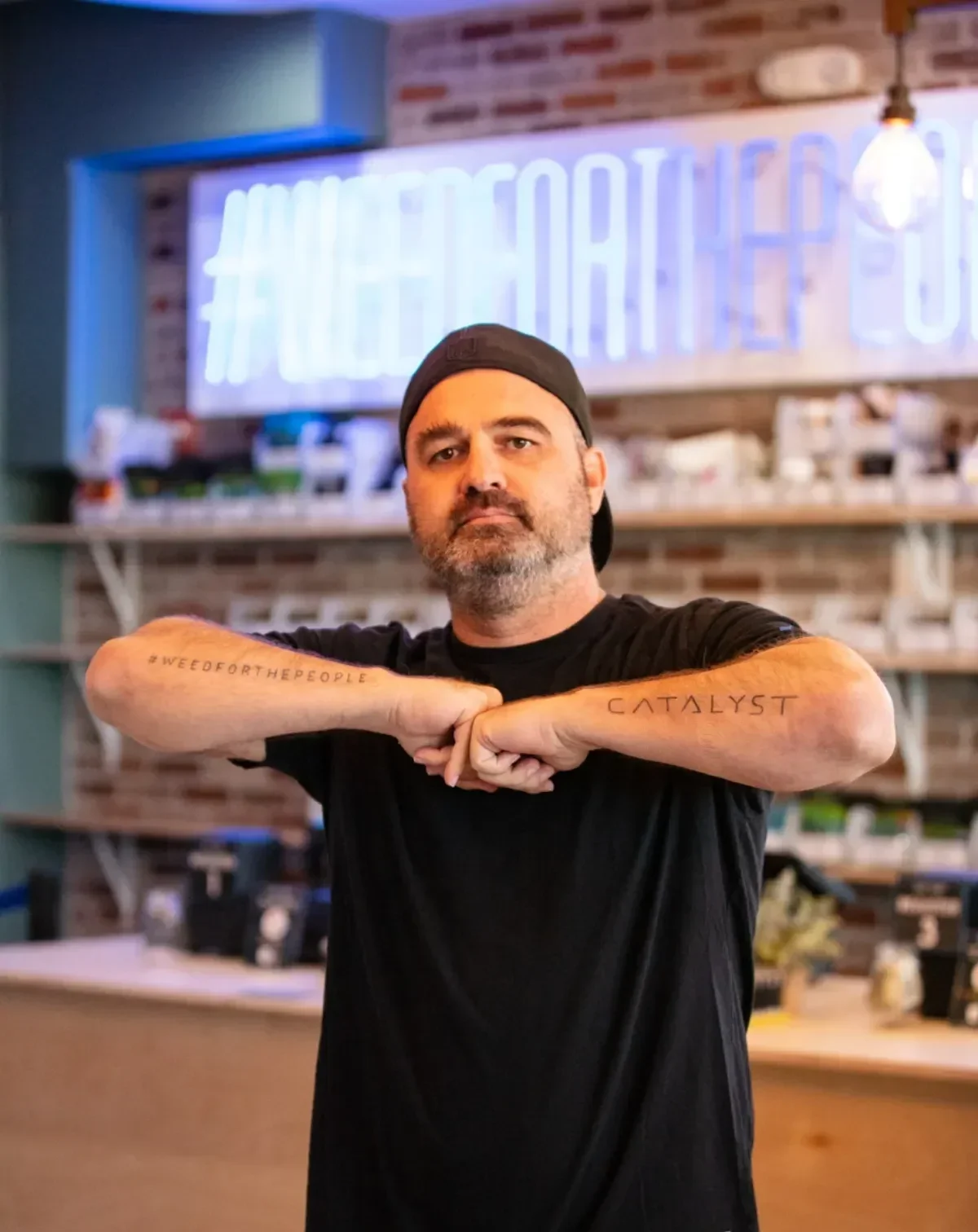
Originally published in Authority Magazine. Read the original interview here.
“Trust, but verify.” Early on, I trusted too easily. Deals were made on handshakes, and I paid the price. Today, I get everything in writing. I check the numbers. I check the people. Good people sometimes do bad things, and bad people do worse. You have to protect what you’re building.
As part of my series about “5 Things I Wish Someone Told Me Before I Started Leading a Cannabis Business” I had the pleasure of interviewing Elliot Lewis.
Elliot Lewis is the founder and CEO of Catalyst Cannabis, one of California’s fastest-growing retail cannabis chains with over 30 locations statewide. A Long Beach native and UC Berkeley graduate, Lewis began his career in real estate before returning to cannabis in 2014. In 2020, he rebranded his stores as Catalyst Cannabis with the mission of providing affordable, accessible “Weed for the People.” Known for his outspoken stance against industry regulators and competitors, he has built a loyal following by challenging local licensing systems and advocating for transparency. Beyond business, Lewis is committed to social equity through the Catalyst Cares program, which supports expungement clinics, veterans’ services, and community initiatives. His leadership has made Catalyst a major force in the California cannabis landscape.
Thank you so much for doing this with us! Can you share with us the story about what brought you to this specific career path?
My journey into the cannabis space kicked off around 2013. Some of the guys I used to grow and sell packs with back in Berkeley approached me about doing indoor grows in L.A. That opportunity lit the spark. We expanded quickly into bigger growths up north, and then the retail side came to Long Beach, my hometown.
That was a game-changer.
We performed well, winning six retail licenses in Long Beach, and from there it snowballed. The original goal was modest: own one dispensary. But here we are, years later, with 31 stores under the Catalyst name. That kind of growth wasn’t in the game plan, but it’s hard to stop once you start moving the ball forward.
Can you share the most interesting story that happened to you since you began leading your company? What lesson did you learn from that?
It’s honestly hard to pick just one. There have been countless moments almost too outrageous to believe, like something from a movie. However, the recurring theme that sticks with me is how rotten and corrupt municipal and state governments can be. Over the last nine years since legalization, I’ve seen firsthand how these institutions operate without regard for good policy. It’s all about money, power, and reelection.
That realization has been both shocking and sobering. You expect to deal with competition and market pressures, but the real war has often been waged against systemic incompetence and greed in the public sector. It’s taught me the importance of resilience and vigilance, never assuming the system is fair or has your best interests at heart.
Can you share a story about the funniest mistake you made when you were first starting? What lesson did you learn?
Oh, this one’s easy. After our success in Long Beach, I thought of running a ballot initiative in Compton. I thought I knew the area from my real estate days and figured, “Let’s go to Compton and Long Beach together, let’s roll.”
Big mistake.
What I didn’t understand at the time was the perception: we were a group of white guys rolling into a historically Black and Brown community, trying to take over their cannabis industry. That didn’t sit well, especially with the local legacy operators. We ran a measure, Measure I, but the community, including trap shop owners and even the Bloods and Crips, came together to campaign against it.
They crushed us 77% to 23%. It was a brutal and humbling loss. I keep one of their campaign flyers on my desk as a reminder. That day was the only time I can remember not being able to get out of bed. It hurt financially and emotionally.
But the biggest lesson? Know the community. Respect the roots. Don’t make assumptions. And when you fall hard, get back up. We eventually rebounded with a win in Bellflower, but that stumble haunted us for years and taught me more than any textbook ever could.
Are you working on any exciting projects now? How do you think that will help people?
Absolutely. While I’ll hold off on revealing some of the business-side projects for now, one of the most exciting and impactful initiatives we’re currently focused on is expanding nationally with a strong emphasis on clean, safe cannabis products through what we call Cat 4 ECCO.
The California market is notoriously tough but also a proving ground. We’ve made significant strides in cleaning up our shelf, ensuring our products are tested against broader panels that exceed the state’s limited list of 66 pesticides. That’s not enough. Too many distillates in the industry still contain harmful residues, and unfortunately, most consumers aren’t aware of the risks.
As we move into national markets, we aim to lead with transparency and consumer safety. We want to raise the bar on testing standards and offer truly clean products free from harmful chemicals that could lead to serious health issues years later. There’s no national standard right now, and that gap leaves room for dangerous products to thrive.
Our mission is not just to sell more products; it’s to educate and protect consumers, especially as the industry matures. We’re incredibly proud of the work we’ve done in California but taking that commitment to quality and safety nationwide is what really excites me. It’s not just a business strategy; it’s a public health movement.
None of us are able to achieve success without some help along the way. Is there a particular person you’re grateful to? Can you share a story?
It’s hard to single out just one person because I’ve learned something from almost everyone I’ve encountered on this journey, even the so-called “dumbest guy in the room.” That said, if I had to name one person who’s been a constant pillar of support, it’s my wife, Anna. She’s been my ride-or-die through all the ups and downs. Running a cannabis company isn’t just a job; it’s a full-tilt lifestyle with significant sacrifices, and having someone stand by you, especially during those long nights and difficult moments, is invaluable. I may project a hard exterior in public, but like anyone, I’ve had low points, and she’s helped carry me through them.
Beyond that, I’ve also had mentors from my real estate days and folks like Caleb Counts in cannabis, who taught me much about navigating this industry. But the best ideas come from listening to everyone, from the newest hire to seasoned veterans. I stay tapped into the culture, regularly talking with budtenders, staff, and customers through my Instagram DMs. The real game is played at the grassroots level, and staying connected there helps me lead better from the top.
This industry is young, dynamic and creative. Any innovative marketing strategies others should consider?
We don’t do any of that polished marketing nonsense. Our approach is gritty, grassroots, and authentic. It actually started pretty organically—just me getting on Instagram posting about our brand, our fights, and our values. What came out was a kind of amplified version of myself—maybe a little “Macho Man Randy Savage” energy but still real. It wasn’t planned as a marketing campaign but turned into something powerful.
I’m self-aware enough to realize that our activism is also our marketing. When we call out the CDTFA (California Department of Tax and Fee Administration) or DCC (Department of Cannabis Control) or shine a light on industry cronyism—it’s not just advocacy, it’s brand identity. We’re not chasing “cool” through curated lifestyle ads. We’re showing up, speaking truth, and staying connected to the community.
What sets us apart is this direct connection. I’ve become the face of the brand in a way that most CEOs in this space haven’t. If you ask who leads the top ten retail cannabis chains, most people might be able to name one or two CEOs. But odds are, they know who I am, not by accident. We leaned into this approach, even when it initially seemed silly, and it worked. It’s real, it’s resonant, and it’s helped make Catalyst what it is today.
Can you share 3 things that most excite you about the cannabis industry? 3 things that most concern you?
The three things that most excite me are:
- The people and community energy
What drives me most in this industry is the connection with people. Whether it’s a casual conversation on 4/20 or an unexpected moment like swimming back to a beach with fresh vape pens for a supporter who recognized me, those little interactions mean everything. The energy, support, and culture keep it exciting day in and day out. - Building something that might stand the test of time
There’s a unique thrill in creating something from dust that could leave a legacy. We’re not just moving products; we’re trying to build a movement. “Weed for the People” isn’t just a slogan; it’s a mission. The idea that Catalyst might be around decades from now is incredibly motivating. - Catalyst Cares and giving back
The work we do through Catalyst Cares, such as supporting veterans or expunging records, brings a different kind of reward. Seeing those faces and knowing we’ve changed lives—that’s real impact. That’s why we fight so hard. One day, we’ll be able to look back and say, “Yeah, we really did that.”
The three things that most concern me are:
- Government indifference and corruption
The biggest issue is that state and local governments don’t care about cannabis, or worse, they actively harm it. The system has been hijacked by greed and bureaucracy. Prop 64’s original promise was already broken, allowing unlimited license stacking and tilting the game in favor of big-money operations. It’s deeply disheartening. - Industry takeover by “Government Ops”
There’s a real fear that the industry is being handed over to corporate cronies. Some companies operate with deep ties to the state, and we’ve seen the displacement of legacy growers who built this space’s foundation. This betrayal of the culture and values on which cannabis was founded is a serious concern. - Federal legalization as a trojan horse
Federal legalization sounds good, but it could be the biggest Trojan horse. Will capital return? Maybe. But who will benefit? If it brings in big alcohol, tobacco, or pharma to run the show, then we’ve sold out the industry’s soul. We need to be vigilant; legalization without equity isn’t progress.
Can you share your “5 Things I Wish Someone Told Me Before I Started Leading a Cannabis Business”?
- Trust, but verify
Early on, I trusted too easily. Deals were made on handshakes, and I paid the price. Today, I get everything in writing. I check the numbers. I check the people. Good people sometimes do bad things, and bad people do worse. You have to protect what you’re building. - There is no playbook
Cannabis evolves at lightning speed; what worked in 2016 doesn’t work now, and what works today won’t work tomorrow. You couldn’t have predicted THCA, burner drops, or the endurance of the black market. You have to stay adaptable and sharp. - Every setback is a hidden opportunity
It sounds cliché, but the hardest lessons have forged us. When taxes went up or regulations shifted, we didn’t fold—we leveled up. We renegotiated with vendors, cut costs, and launched new products. That pressure made us stronger. - You will change a lot
I like to joke that 2018 me would’ve stabbed 2016 me in the neck, and 2020 me dusted both of them. That’s how fast you evolve in this game. Each version of yourself learns something the last didn’t know. If you’re not changing, you’re getting left behind. - You have to earn every win over and over
You can’t coast. This industry humbles you even when you think you’ve figured it out. You’ve got to grind, adapt, and keep your edge. That’s the only way you survive and thrive.
What advice would you give to other CEOs or founders to help their employees thrive?
First off, empower your people. Let them do their jobs without micromanagement. Everyone brings a different style to the table, and if you give folks the space to run, they often surprise you. I’ll be the first to admit that managing people isn’t my favorite part of the job. It isn’t very easy, and it’s not something I naturally gravitate toward. But one thing I’ve learned is that showing up, being available, and genuinely caring about your people goes a long way.
Be there when it counts, not just for the wins, but for the struggles. Whether someone’s dealing with a DUI, a breakup, family issues, or addiction, I’ve said yes to helping them. Because when you wear a Catalyst jersey, that should mean something. It should tell you you’re backed by a team that won’t leave you hanging when life gets tough.
Another piece of advice: make sure your people are bought in—literally. Everyone who’s been with us for any meaningful stretch is staked in the company. They’ll share in the success if we land this plane through cash flow, equity, or an eventual exit. I never want to be the guy who cashes out alone. That’s lame. We’re in this together, and that collective vision keeps people motivated and aligned.
It’s also important to lead by example. I don’t ask anyone to do something I wouldn’t do myself. If it means cleaning the side of the freeway, I’ll try to outwork everyone. That could be my leadership style: not barking orders but rolling up my sleeves and getting it done side by side.
Ultimately, people stick around not because you’ve nailed some perfect management formula, but because they believe in the mission, feel valued, and know they have skin in the game. That’s the culture we’ve tried to build at Catalyst, and it’s working so far. People aren’t leaving, which speaks volumes more than any org chart or handbook could.
You are a person of great influence. If you could inspire a movement, what would it be?
Most days, I wouldn’t necessarily call myself a person of great influence; it feels like I’m operating from a little shadow-banned corner of the internet. But if I could inspire a movement that truly made a difference, it would be rooted in the work we’re already doing in cannabis.
It would be a movement for equity, integrity, and wellness through cannabis.
We’re fighting every day for something simple but powerful: a cannabis industry that works for the people. That means affordable, clean plant medicine for patients and consumers. It means exposing the hypocrisy and corruption that’s hijacked this industry and replacing it with transparency and fairness.
We’re also fighting for economic justice, better wages for workers, better prices for customers, and reinvestment in the communities that were disproportionately harmed by the war on drugs. If we can build a model in California where the cannabis industry thrives with fair pay, clean products, and strong communities, that could be a blueprint for national reform.
If that legacy became a reality—where cannabis wasn’t just a product, but a vehicle for health, opportunity, and truth—that would be a movement worth leading. And that would be a damn good “Weed for the People” legacy.
What is the best way our readers can follow you on social media?
- LinkedIn: https://www.linkedin.com/in/elliotlewisceo/
- Instagram: https://www.instagram.com/catalyst_ceo/
This was very inspiring. Thank you so much for joining us!